Shoaib Akhtar on the “No Handshake” Controversy: Backing Salman Ali Agha After India vs Pakistan Clash
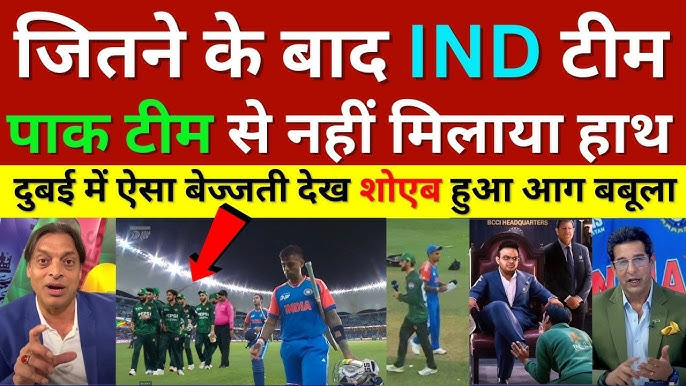
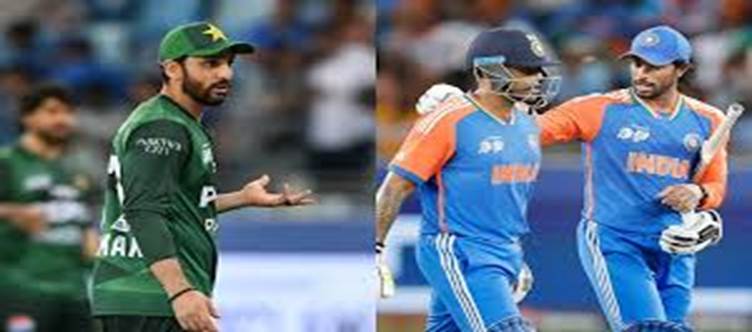
When India and Pakistan face each other in cricket, the match is never just about runs and wickets. It carries history, emotions, politics, and national pride. The Asia Cup 2025 Group A encounter in Dubai was no exception. India outplayed Pakistan, chasing down a small target of 128 with seven wickets in hand. But what became the main talking point wasn’t the result—it was what happened after the game: no handshake between the two sides.
This single missing gesture sparked a storm across social media and newsrooms. And one of the loudest voices in the aftermath was former Pakistan speedster Shoaib Akhtar, who not only criticized India’s stance but also supported Pakistan captain Salman Ali Agha for skipping the post-match presentation.
Here’s a breakdown of what unfolded, Shoaib Akhtar’s response, and why this incident matters far beyond cricket.
The Match and the Fallout
- Pakistan batted first but collapsed to 127/9, with India’s bowlers dominating.
- India chased the target in 15.5 overs, sealing a comfortable seven-wicket victory.
- Usually, players exchange handshakes at the end of an international fixture, no matter the rivalry. This time, Indian players walked off straight into the dressing room.
- Adding fuel to the fire, Pakistan skipper Salman Ali Agha chose not to attend the post-match presentation ceremony.
For many, it looked like a total breakdown of cricketing etiquette.
Shoaib Akhtar Speaks Out
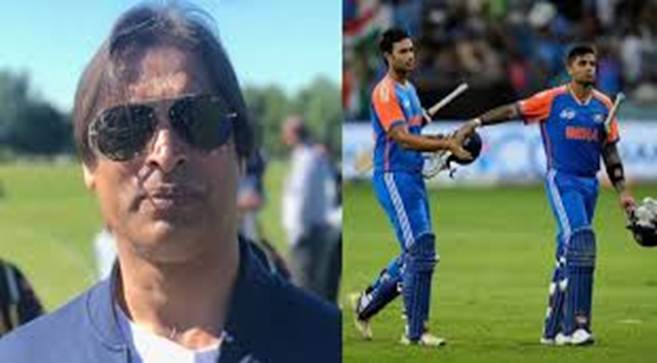
The “Rawalpindi Express” is famous for not holding back. His reaction to the no-handshake controversy combined disappointment, emotion, and a reminder of what cricket is supposed to represent.
1. Speechless and Disheartened
Akhtar said he was “speechless” seeing players walk off without handshakes. For him, it wasn’t about who won or lost—it was about basic respect between professional athletes.
2. “Don’t Make It Political”
He warned against mixing politics with cricket. In his words: “Cricket match hain, isko political mat banao.” He argued that sport should rise above political climates and serve as common ground, not another battlefield.
3. Show Some Grace
Akhtar reminded both sides that gestures matter. Even in fierce rivalries, shaking hands is about humility and acknowledging effort. He called India’s stance “ungraceful” and unnecessary.
4. Backing Salman Ali Agha
Instead of criticizing Agha for skipping the post-match ceremony, Akhtar praised him. To Akhtar, it was a dignified response to a situation where Pakistan felt disrespected. “Salman did the right thing,” he insisted.
5. Conflict Is Normal, Respect Is Essential
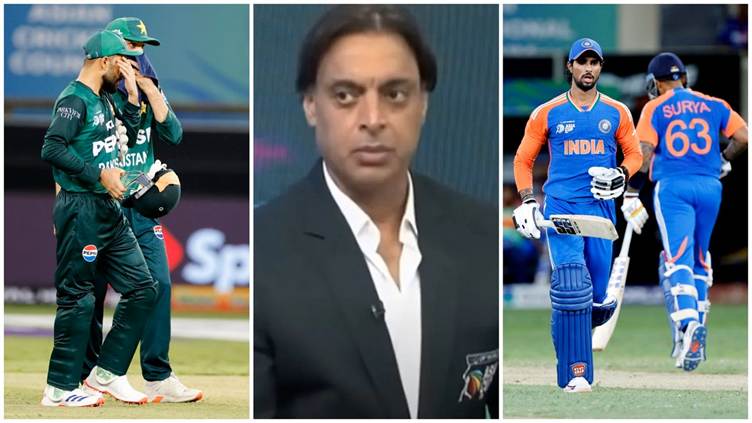
Akhtar also noted that arguments and friction are part of life—even in families. But in sport, traditions like handshakes help preserve mutual respect. Removing them sets a bad precedent.
India’s Side of the Story
From the Indian camp, the decision wasn’t random. Captain Suryakumar Yadav clarified that the team was reflecting the mood back home.
- He dedicated the win to victims of the Pahalgam terror attack earlier in the year, calling it a moment to stand with the armed forces.
- He admitted the team had been instructed to keep things professional and avoid gestures like handshakes that could be misinterpreted.
- For India, the stance was more about solidarity than personal animosity.
This reveals the difficult line players walk: balancing cricketing traditions with national sentiment during tense times.
Salman Ali Agha: Protest or Principle?
Salman Ali Agha’s absence at the presentation ceremony drew as much attention as India’s refusal to shake hands. Normally, captains are expected to face the press and officials, win or lose.
By not showing up, Agha made a statement. To his supporters, it was dignified—why participate in ceremonies when the other team refused basic courtesy? To critics, it was unsportsmanlike.
With Akhtar’s backing, however, many Pakistani fans saw it as justified resistance rather than petty protest.
Sportsmanship vs Politics
This controversy shines a light on a bigger issue: where do we draw the line between sportsmanship and politics?
- Handshakes as Rituals
A handshake may seem small, but it symbolizes mutual respect. Skipping it undermines cricket’s long-held tradition of “playing hard but fair.” - Cricket as a Proxy
For India and Pakistan, cricket has always been more than sport—it’s often a stage for political signaling. Every run, wicket, or gesture is magnified as a symbol of national pride. - Pressure on Players
Athletes like Salman Ali Agha and Suryakumar Yadav are caught in the middle. They’re expected to represent their teams with dignity but also reflect national moods. It’s a balancing act that can feel impossible. - Media Amplification
In today’s world, every small clip goes viral. The no-handshake moment was replayed endlessly, ensuring it overshadowed the cricket itself.
Shoaib Akhtar’s Larger Message
Akhtar’s frustration wasn’t only about this one match. His words point to a bigger philosophy:
- Respect the Game: Rivalries should never kill the spirit of cricket.
- Politics Can Wait: Nations may disagree, but players should still show respect.
- Grace in Defeat or Victory: Handshakes aren’t about winning—they’re about character.
- Support Leaders in Tough Times: Backing Salman Ali Agha showed Akhtar values solidarity within the team.
Criticisms of Akhtar’s View
Of course, not everyone agrees with Akhtar.
- Some Indian voices argue that refusing a handshake was a necessary symbolic act, given recent attacks and tensions.
- Others say politics has always influenced cricket between these two nations—expecting pure sportsmanship is unrealistic.
- A few even accuse Akhtar of double standards, pointing out instances when Pakistani players or boards also mixed politics with cricket.
These debates highlight how polarized India-Pakistan cricket discourse always is.
Why It Matters
1. Cricket’s Image
Incidents like this risk damaging cricket’s global reputation. Fans around the world expect rivalry, but also respect.
2. Setting Precedent
If handshakes and ceremonies can be skipped, what’s next? It may normalize less respectful conduct in future matches.
3. Public Perceptions
For millions of fans, matches reinforce national narratives. If sport only deepens hostility, the chance for cricket to serve as a bridge is lost.
4. Player Well-Being
The emotional burden on athletes is massive. They’re asked to win games, embody national pride, and manage diplomatic gestures—all under the glare of cameras.
Moving Forward
To prevent such controversies, cricket boards and governing bodies may need to:
- Reaffirm Sportsmanship Codes: Make post-match rituals mandatory unless safety concerns arise.
- Support Players’ Mental Health: Offer counseling for athletes handling political and public pressure.
- Encourage Dialogue: Boards must communicate clearly about expectations, so players aren’t caught in the crossfire.
- Educate Fans: Media and fans should celebrate the game, not weaponize every gesture.
Final Thoughts
The Asia Cup 2025 clash will be remembered less for India’s dominant win and more for the missing handshake. Shoaib Akhtar’s emotional reaction reminded everyone why these small gestures matter. His support for Salman Ali Agha reflects a belief that respect is a two-way street.
India, on its part, stood by its political and emotional context, making the decision to skip the handshake a deliberate expression of solidarity with its people.
The truth lies somewhere in between: politics cannot be separated from India-Pakistan cricket, but neither should it erase the spirit of sportsmanship that makes cricket more than just a game.
As Akhtar put it, “Show some grace.” For the sake of the sport, one hopes both sides do exactly that in future encounters.





Post Comment