India’s Strategic Leap: The Su-57E Deal with Russia and Its Implications

India’s Strategic Leap: The Su-57E Deal with Russia and Its Implications
Introduction
In a significant development in global defense dynamics, Russia has proposed a comprehensive deal to India involving the Su-57E, its fifth-generation stealth fighter jet. This offer includes full technology transfer, local production rights, and unprecedented access to the aircraft’s source code. Such an arrangement positions India uniquely in the realm of advanced military aviation, potentially reshaping its defense capabilities and strategic partnerships.
The Su-57E: A Technological Overview
The Su-57E is Russia’s premier fifth-generation fighter, designed to rival Western counterparts like the F-35. It boasts advanced stealth features, supercruise capability, and integrated avionics systems. Key specifications include:
- Stealth Design: Low radar cross-section achieved through advanced shaping and radar-absorbent materials.
- Supercruise: Ability to sustain supersonic speeds without afterburners, enhancing fuel efficiency and mission duration.
- Integrated Avionics: Advanced sensors and mission systems for enhanced situational awareness and targeting.
- Multirole Capability: Designed for air superiority, ground attack, and electronic warfare missions.
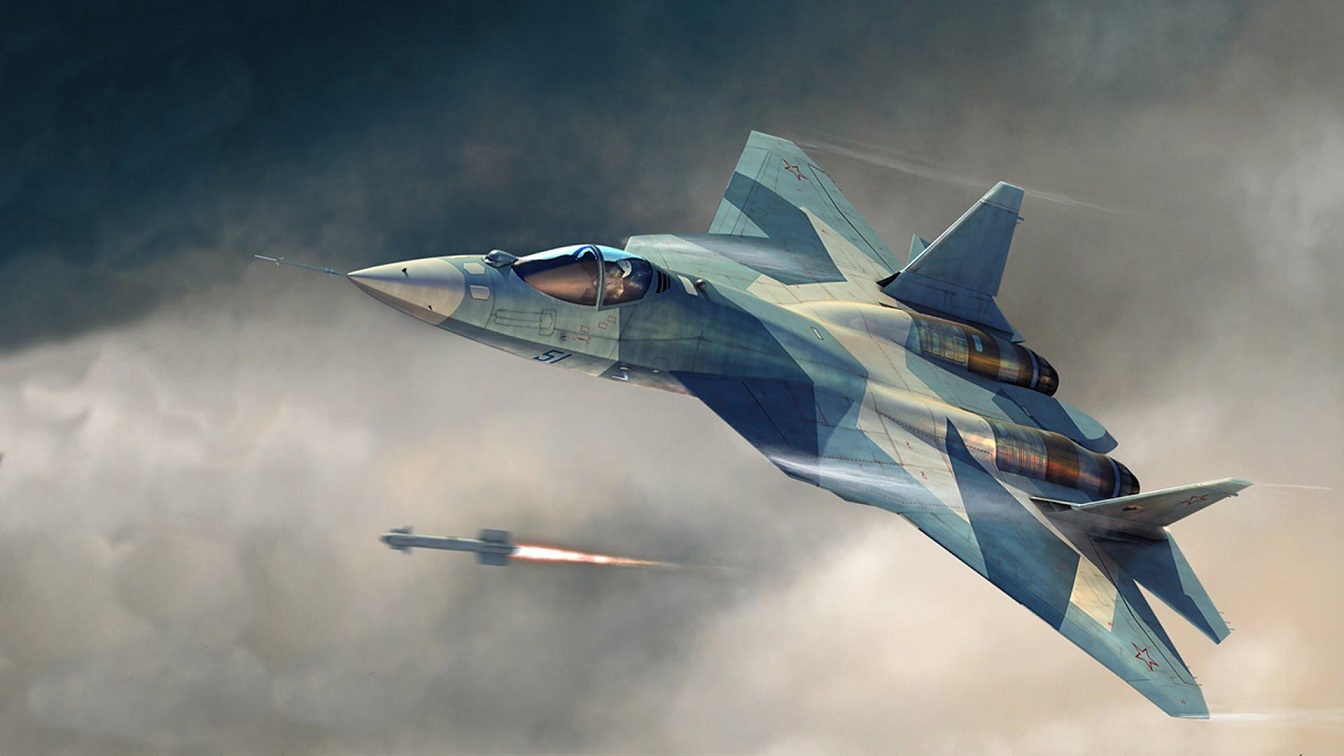
Despite its capabilities, the Su-57E has faced challenges in production and deployment, with limited numbers currently operational.
The Game-Changing Offer: Full Technology Transfer and Source Code Access

Russia’s proposal to India is unprecedented in its scope and depth:
- Full Technology Transfer (ToT): This includes comprehensive access to the Su-57E’s design, components, and manufacturing processes.
- Source Code Access: India would receive the complete software source code, allowing for:
- Integration of Indigenous Systems: Seamless incorporation of Indian-made avionics, weapons, and sensors.
- Customization: Tailoring the aircraft to meet specific operational requirements.
- Upgradability: Facilitating future enhancements without dependency on external vendors.
This level of access is unparalleled in international defence agreements and positions India uniquely in the global defence landscape.
Strategic Implications for India
1. Technological Autonomy
Gaining access to the Su-57E’s source code empowers India to:

- Develop Indigenous Capabilities: Enhance domestic aerospace and defense industries.
- Reduce Dependency: Minimize reliance on foreign suppliers for critical defense technologies.
- Foster Innovation: Encourage research and development within the country.
2. Enhanced Defense Integration
The ability to integrate Indian systems into the Su-57E ensures:
- Operational Synergy: Harmonization with existing platforms like the Su-30MKI.
- Interoperability: Seamless communication and coordination with allied forces.
- Strategic Flexibility: Adaptation to evolving defense needs and scenarios.
3. Economic and Industrial Growth
Local production of the Su-57E can:
- Boost Employment: Create jobs in aerospace manufacturing and related sectors.
- Stimulate Economy: Generate revenue through exports and technology licensing.
- Develop Infrastructure: Enhance facilities and capabilities in defense manufacturing.

Potential Risks and Considerations
1. Performance Concerns
The Su-57E’s stealth and supercruise capabilities have faced criticism. India must assess whether these limitations align with its strategic requirements.
2. Integration Challenges
Incorporating indigenous systems into the Su-57E may present technical hurdles, requiring skilled personnel and advanced infrastructure.
3. Geopolitical Dynamics
Deepening defense ties with Russia could impact India’s relationships with other global powers, necessitating careful diplomatic balancing.
Conclusion

India’s consideration of the Su-57E deal represents a strategic move towards achieving technological self-reliance and enhancing its defence capabilities. While the offer of full source code access is unprecedented, it necessitates thorough evaluation to ensure alignment with India’s long-term defence objectives. The decision will undoubtedly shape India’s defence landscape for decades to come.
For more such amazing content visit : https://newseeker.insightsphere.in/






Post Comment