India’s Monsoon 2025: Why The Rains Turned Into a Deluge
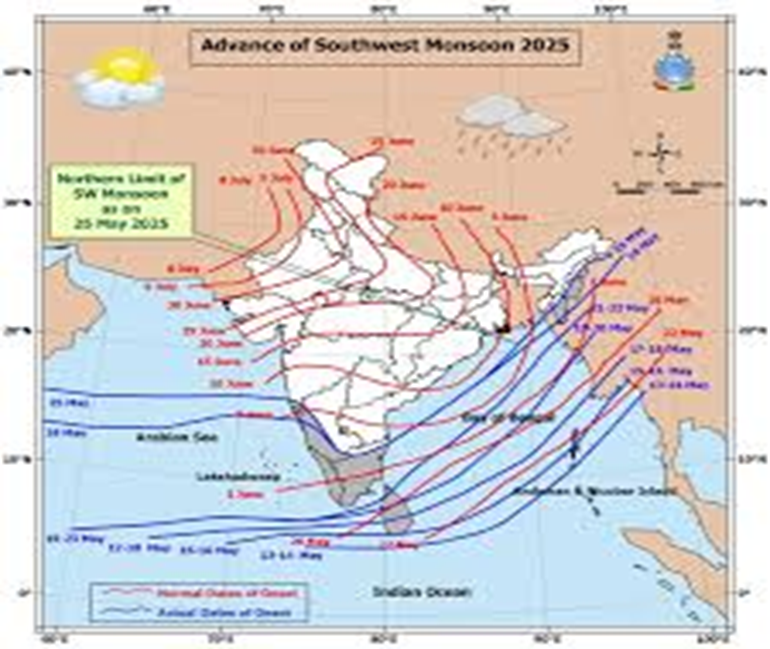
India’s monsoon 2025 has unleashed record floods and landslides. From climate change and jet stream shifts to westerly disturbances and fragile mountains- discover why rains turned extreme this year.
A Monsoon Unlike Any Other
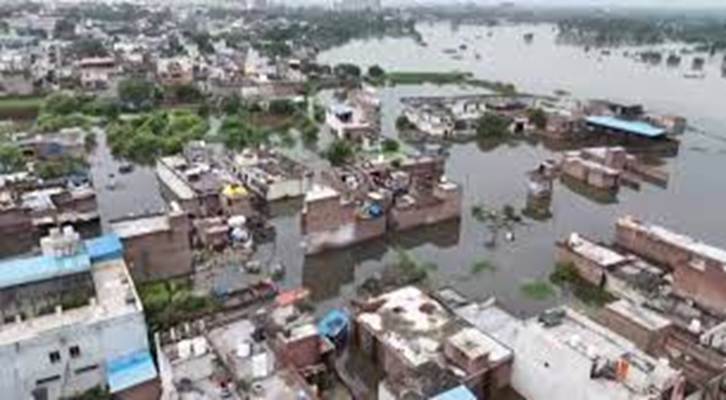
The Indian monsoon of 2025 has been anything but normal. From the overflowing Beas in Punjab to submerged streets in southern towns, the rains have battered half the country. Punjab is facing its worst flood in nearly four decades, while daily rainfall in some regions has exceeded 1000% above the norm. This isn’t just about “more rain,” it’s about how, when and where the rain is falling– and why it’s getting destructive.
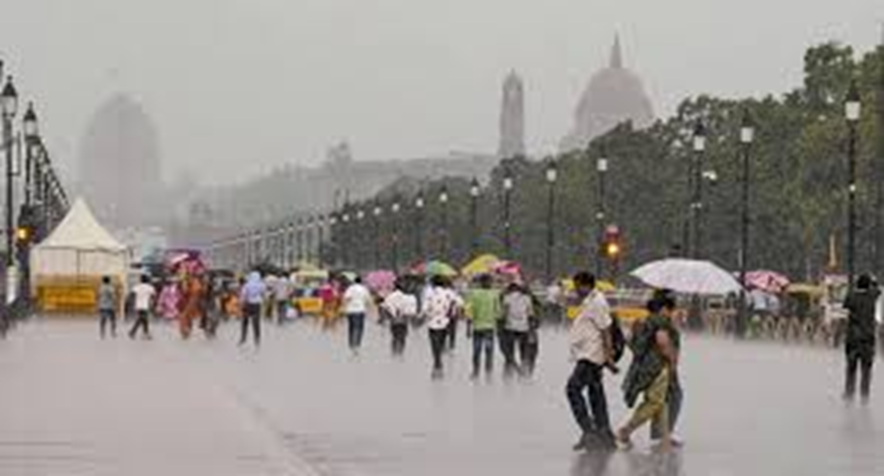
The Changing Nature of the Monsoon
Traditionally, the Indian monsoon unfolded steadily across four months—June through September—nourishing fields and filling rivers. Today, the pattern is far more volatile:
- Dry stretches followed by sudden cloudbursts.
- Localized downpours dumping months’ worth of rain in hours.
- Increasing frequency of flash floods and landslides.
Warmer oceans and atmosphere play a big role here. The Arabian Sea and Indian Ocean are heating up, releasing more water vapor into the air. With more moisture available, any trigger can set off torrential rains.
🌪️ Monsoon Meets Westerly Disturbances
The devastation in Punjab, Haryana, and Rajasthan highlights another twist. A rare atmospheric clash occurred when moist monsoon winds collided with westerly disturbances—weather systems that typically bring cooler air from the Mediterranean.
Think of it as a loaded water tank (the monsoon) being jolted by a trigger (the westerly disturbance). The result? Relentless downpours over northern India, lasting days instead of hours.
Usually by August, these western systems retreat northwards. This year, however, they pushed deeper into India—redirected by unstable jet streams high in the atmosphere.
✈️ Jet Streams Gone Wavy
Jet streams are fast-flowing winds circling the globe. But climate change is making them wavier and more unpredictable. This meandering path guided westerly disturbances unusually far south, straight into the heart of India’s monsoon belt.
The outcome was a perfect storm: warm, moisture-heavy monsoon air colliding with cold upper-level winds, amplifying rainfall beyond anything seen in recent years.
🏔️ Fragile Himalayas Under Pressure
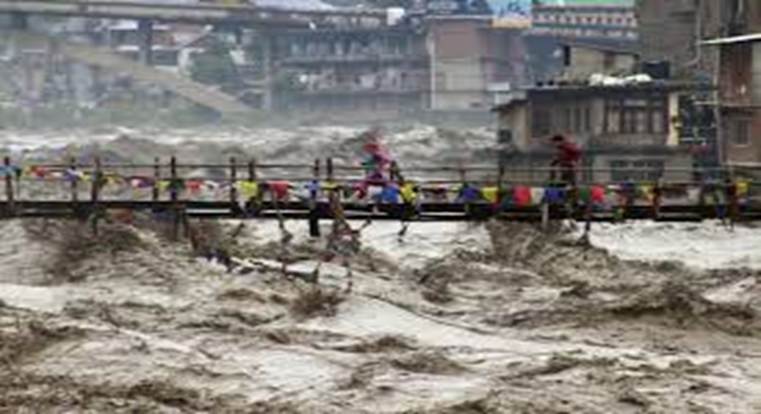
The Himalayas, already a hotspot for climate stress, bore the brunt. Heavy rains triggered landslides, flash floods, and the sudden bursting of glacial lakes. Scientists warn that:
- Rapid glacier melt is swelling rivers unnaturally.
- Permafrost and snowfields, which once stabilized mountain slopes, are thawing.
- Rains are now reaching higher altitudes where it once only snowed, accelerating instability.
Entire valleys have seen days of destruction from a single day’s rain—a dangerous signal of what lies ahead.
🏙️ Human Factors Made It Worse
The fury of nature was compounded by man-made vulnerabilities:
- Construction on riverbanks and floodplains choking natural drainage.
- Highways, tunnels, and hydropower projects cutting into fragile mountains.
- Poorly maintained embankments and outdated drainage in cities.
- Plastic and waste blocking water channels.
Warnings of a stronger-than-usual monsoon were ignored, leaving towns and villages unprepared for the scale of flooding.

📌 Key Takeaways from Monsoon 2025
- Monsoons are no longer predictable. Expect intense bursts instead of evenly spread rains.
- Global warming is the driver. Warmer seas, unstable jet streams, and melting glaciers are shaping new extremes.
- Himalayan regions are the frontline. Unstable slopes and glacial melt multiply risks.
- Urban planning is failing. Encroachment, poor drainage, and reckless infrastructure magnify disasters.
- Preparedness is urgent. Strengthening flood defenses, enforcing zoning laws, and investing in resilient infrastructure are no longer optional.
🌧️ Conclusion
India’s Monsoon 2025 is not just a weather event—it is a wake-up call. The same rains that sustain life are now bringing unprecedented destruction. With climate change altering natural systems and human choices worsening vulnerabilities, such extreme monsoons may soon become the new normal.
Unless India rethinks its relationship with rivers, mountains, and infrastructure, the line between seasonal blessing and seasonal disaster will only blur further.
Frequently Asked Questions (FAQ) on Monsoon 2025
1. Why is India experiencing extreme monsoons in 2025?
India’s monsoon has turned extreme due to a combination of climate change, warming oceans, wavier jet streams, and unusual interaction with westerly disturbances. Together, these factors are causing short but intense bursts of rainfall, leading to floods and landslides.
2. What role does climate change play in the monsoon?
Climate change has increased atmospheric moisture and altered global wind patterns. Warmer seas like the Arabian Sea and Indian Ocean provide more evaporation, fueling stronger downpours. Jet streams are also becoming unstable, redirecting weather systems in unusual ways.
3. What are westerly disturbances and how did they worsen rains this year?
Westerly disturbances are low-pressure systems originating near the Mediterranean Sea, carrying cooler air into India. When these collided with the warm, moisture-laden monsoon winds in 2025, they acted as a “trigger,” causing record-breaking downpours in Punjab, Haryana, and Rajasthan.
4. Why are the Himalayas more vulnerable during heavy monsoons?
The Himalayas are highly unstable due to melting glaciers, thawing permafrost, and steep slopes. When heavy rains or cloudbursts occur, they easily trigger landslides, glacial lake outbursts, and flash floods. Human construction in fragile zones has made the risks even worse.
5. How do human activities increase the impact of floods?
Encroaching on river floodplains, unplanned urbanisation, and poor drainage systems amplify natural flooding. Highways, tunnels, and hydropower projects in mountainous regions further weaken slopes, while plastic waste blocks water channels in cities.
6. Will extreme monsoons become the new normal in India?
Yes, experts warn that extreme monsoons will be more frequent in coming decades. As global warming continues, India will likely face fewer rainy days but more intense rainfall events, leading to floods, landslides, and urban waterlogging.
For more such amazing content visit : https://newseeker.insightsphere.in/







Post Comment