Government Starts Rolling Out e-Passports?
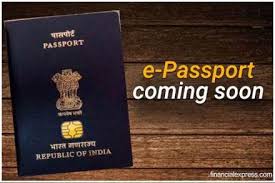
India has started rolling out e-passports. What happens to existing passports? Will you need a new one? Know validity, process, upgrades, fees and FAQs.
What Will Happen to Existing Passports as Govt Starts Rolling Out e-Passports?
India is entering a new era of secure travel with the gradual rollout of e-passports, a modern, chip-based version of the traditional booklet passport. The move is designed to improve security, immigration speed, and global acceptance.
But this update has naturally raised questions:
What happens to your current passport? Do you need a new one immediately? Will old passports become invalid?
This blog explains the complete transition, validity rules, upgrade options, and what travellers should do next.
What Is an e-Passport? (Quick Summary)
An e-Passport, also called a biometric passport, contains:
- A small electronic chip embedded in the front cover
- Holder’s biometric information (photo, fingerprint, iris data)
- Digitally signed data to prevent tampering or duplication
- Machine-readable zone for faster immigration
India is rolling out e-passports in a phased manner starting 2025.
Keywords: e-passport India 2025, biometric passport features, new passport rules India
What Happens to Existing Passports?
1. Existing Passports Will Remain Valid Until Their Expiry Date
This is the most important point:
Your current passport remains valid and usable for international travel.
You do not need to replace your existing passport immediately.
If your passport is valid until 2030, you can use it until 2030—regardless of the e-passport rollout.
2. No Mandatory Upgradation for Now
The government has NOT announced any mandatory upgrade to e-passports.
Transition will be voluntary and gradual, just like Aadhaar-enabled services adoption.
3. You Will Receive an e-Passport Only at Renewal or Reissue
When your current passport:
- Expires, OR
- Runs out of pages, OR
- You apply for reissue due to damage/loss, OR
- You choose an optional upgrade
… then you will be issued an e-passport instead of the old booklet.
This ensures a smooth transition without burdening existing passport holders.
4. Old Passports Will Continue to Be Globally Accepted
Countries worldwide accept both:
- Machine Readable Passports (MRP) – current Indian passports
- e-Passports
Hence, there is no travel restriction for people holding old-format passports.
5. Immigration Counters Will Continue Supporting Both Formats
Airports and foreign immigration desks will continue scanning booklet passports.
Over time, e-Passport holders will benefit from:
- Faster e-gates
- Shorter queues
- Enhanced verification
But traditional counters will remain active for years during the transition.
Benefits of e-Passports Over Traditional Passports
1. Stronger Security
The embedded chip makes duplication or tampering nearly impossible.
2. Faster Immigration
Especially in countries using automated e-gates.
3. Global Recognition
Worldwide standardization improves acceptance.
4. Better Data Protection
Biometric and personal data is digitally signed and encrypted.
How to Upgrade From Old Passport to e-Passport?
You can upgrade by applying for:
- Reissue before expiry
- Reissue after expiry
- Reissue due to pages exhausted
- Voluntary upgrade (optional)
The process remains the same through the Passport Seva website.
Fees may be marginally higher depending on chip cost (final structure expected soon).
Will e-Passports Look Different?
Yes. Expected changes include:
- Thicker front cover (chip is embedded inside)
- New security patterns
- Improved holograms
- Enhanced machine readable zone
However, the size and outer appearance will remain familiar.
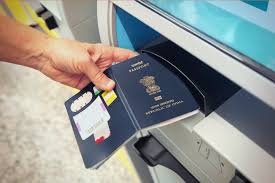
Who Will Get e-Passports First?
Rollout priority usually follows:
- New applicants
- Applicants seeking reissue
- Frequent travellers and diplomats
- General public in phased rollouts
Do You Need to Submit Biometrics Again?
Most likely yes, because e-passport chips store biometric information.
Biometric collection will happen at:
- PSKs/POPSKs
- Passport Seva Kendras
This ensures higher authenticity.
Will Visa Rules Change With e-Passports?
No — visas depend on bilateral agreements, not passport format.
However, some countries may offer:
- Faster processing
- e-Gate access for Indians
- Shorter queue lanes
… if you hold an e-passport.
Key Differences Between Current Passport & e-Passport
| Feature | Traditional Passport | e-Passport |
| Security Level | Medium | Very High |
| Chip Embedded | No | Yes |
| Data Forgery Risk | Higher | Extremely Low |
| Immigration Speed | Slower | Faster |
| Global Acceptance | Good | Excellent |
| Tampering Detection | Manual | Automated |
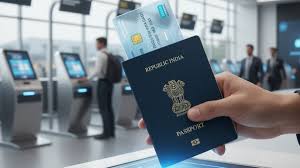
Should You Upgrade Early?
Upgrade early if any apply:
✔ You travel frequently
✔ You need faster immigration
✔ You lost your passport / need reissue anyway
✔ You want extra security
✔ You have a damaged booklet
If not, you can continue using your current passport until expiry.
FAQs About e-Passports in India
1. Will my old passport be cancelled after e-passport launch?
No. It stays valid till expiry.
2. Can I travel abroad with my old passport after 2025?
Yes. There is no restriction.
3. Can I upgrade my existing passport to an e-passport right now?
You can apply for reissue with an upgrade as soon as the rollout reaches your region.
4. Will e–passport fees be higher?
Possibly slightly higher due to the embedded chip, but official fee structure will be announced.
5. Do children also get e-passports?
Yes, rollout will apply to all age groups.
6. Can immigration scan both types?
Yes — both booklet and e-passport systems will run simultaneously.
Conclusion
The launch of e-passports in India marks a major technological leap, but it will not disrupt current passport holders. Your existing passport remains valid, usable, and globally accepted until its natural expiry.
You only receive an e-passport when you apply for a new one or reissue.
The transition will be smooth, optional, and phased, ensuring zero inconvenience to travellers.
For More Such Amazing Content Please Visit : https://newseeker.insightsphere.in/





Post Comment