Dhurandhar: A Film That Walks Into Fire—and Doesn’t Look Back
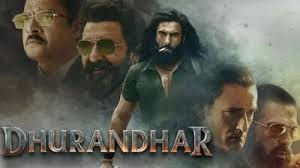
Bollywood loves its heroes clean and its villains loud. Dhurandhar rejects both ideas with a cold smile.
Directed by Aditya Dhar, the man who turned Uri into a cultural moment, Dhurandhar is not a film that asks for your attention—it seizes it, drags it into the shadows, and leaves you alone with questions that refuse to settle.
So… What Is Dhurandhar Actually About?
Strip away the secrecy, and Dhurandhar reveals itself as a political-espionage thriller soaked in realism.
The film peers behind the curtains of power—where:
- Intelligence agencies trade secrets instead of words
- Politics is a chessboard with human pieces
- Loyalty lasts only as long as it remains useful
There are no spotless heroes here. Every character carries ambition like a loaded weapon, and every decision leaves a scar. Dhurandhar isn’t interested in who wins—it’s obsessed with what winning costs.
Unlike glossy patriotic spectacles, this film reportedly dares to ask an uncomfortable question:
What if the people protecting the nation are as dangerous as the threats themselves?
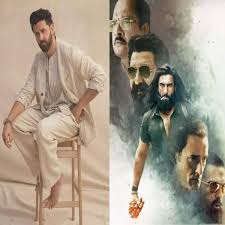
A Title That Doesn’t Whisper—It Warns
The word Dhurandhar doesn’t politely introduce itself. It announces intent.
It suggests dominance, fearlessness, and the kind of power that bulldozes morality without apology. The title alone signals that this film has no interest in subtle reassurance. It is blunt. It is forceful. And it knows exactly what it’s doing.
The World of Dhurandhar: No Filters, No Mercy
Aditya Dhar’s storytelling has always leaned toward realism, but Dhurandhar reportedly strips even that down to the bone.
This is a world where:
- Violence arrives suddenly and leaves damage behind
- Silence is more threatening than gunfire
- Power operates best when no one is watching
There is no romanticizing of chaos here—only its consequences.
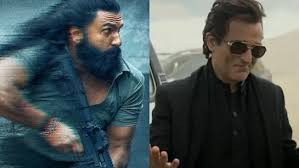
Actors on the Edge, Not on Autopilot
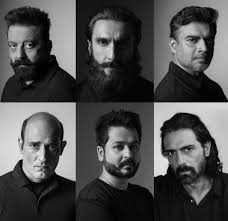
The casting of Dhurandhar feels deliberate, almost surgical.
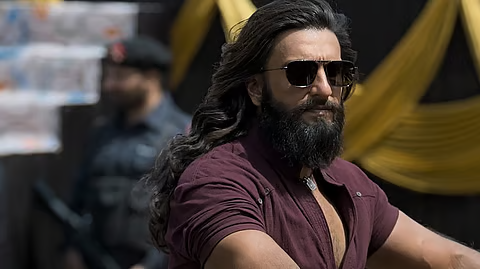
- Ranveer Singh reportedly abandons flamboyance for controlled fury—a performance that simmers rather than explodes
- Sanjay Dutt doesn’t shout authority; he radiates it
- Akshaye Khanna plays the kind of man who thinks three steps ahead and speaks only when necessary
- R. Madhavan adds intellect, restraint, and moral tension
These are not characters designed for applause. They are designed to unsettle.
Why the Controversy Feels Inevitable
Too Real for Comfort
The loudest debate around Dhurandhar isn’t about its craft—it’s about its reflection of reality. The film’s fictional events feel eerily familiar, blurring the line between imagination and commentary.
Some call it courageous. Others call it dangerous.
That tension is exactly why the conversation won’t die.
Violence Without a Victory Lap
Here, violence is not slow-motion spectacle. It is quick, ugly, and final. The camera reportedly refuses to celebrate it—and that refusal has made some viewers uneasy.
Because discomfort, unlike action, cannot be ignored.
Power, Masculinity, and Moral Decay
Is Dhurandhar glorifying dominance—or dissecting it?
The film offers no clear answers. It simply places power under a harsh light and watches what happens when ethics start to melt.
Audience Buzz: Polarised, Obsessed, Hooked
Social media reactions swing wildly:
- “Bollywood finally growing up”
- “Too dark, too bold, too soon”
But in an industry starved of risk, Dhurandhar has achieved something rare—it has become unavoidable.
Why Dhurandhar Matters
In an era of safe franchises and predictable payoffs, Dhurandhar feels like a provocation. A reminder that cinema can still be dangerous. Still divisive. Still powerful.
It may not be loved by everyone—but it will be felt.
Final Word
Dhurandhar doesn’t ask whether you’re comfortable.
It asks whether you’re paying attention.
Controversial? Yes.
Fearless? Absolutely.
Forgettable? Not even close.



Post Comment